Last updated: September 2026
Tesla Powerwall 3 and FranklinWH aPower 2 are two of the strongest home battery systems to compare in 2026. Both can be configured for serious home backup, but they solve the problem differently. Powerwall 3 combines a battery with an integrated solar inverter. FranklinWH uses an AC-coupled architecture built around its aGate controller.
That difference matters more than simply asking which battery has the bigger capacity number.
Quick verdict: Powerwall 3 or FranklinWH aPower 2?
Choose Tesla Powerwall 3 as a strong starting point when you are installing new solar and storage together, want high continuous output from one battery, or prefer Tesla’s integrated energy ecosystem.
Choose FranklinWH aPower 2 when you value more usable energy per battery, AC-coupled flexibility for an existing solar system, generator integration within the FranklinWH ecosystem, or its longer published warranty.
Neither is automatically better. Compare complete installed designs, not just battery cabinets.
Powerwall 3 vs aPower 2 specifications
| Specification | Tesla Powerwall 3 | FranklinWH aPower 2 |
|---|---|---|
| Battery energy | 13.5 kWh | 15 kWh usable |
| Continuous output | Up to 11.5 kW on-grid in U.S. configuration | 10 kW |
| Solar architecture | Integrated solar inverter | AC-coupled |
| Expansion | Powerwall 3 Expansion supported | Multiple aPower units supported through aGate |
| Published warranty duration | 10 years | 15 years / throughput conditions apply |
| Best starting use case | New solar + battery | Existing solar / flexible backup architecture |
Specifications and configurations vary by region. Confirm the current local datasheet and warranty before purchase.
Official sources: Tesla Powerwall specifications, Tesla Powerwall warranty, and the FranklinWH aPower 2 datasheet.
Capacity: FranklinWH stores more per battery
FranklinWH lists aPower 2 at 15 kWh usable energy, compared with Tesla’s 13.5 kWh for Powerwall 3. That gives FranklinWH roughly 1.5 kWh more energy per main battery.
Capacity matters for runtime, but it should not be viewed in isolation. If your critical loads use 5 kWh per day, either battery has a very different backup profile than a home trying to sustain central air conditioning and electric cooking.
Power output: Powerwall 3 has the single-unit edge
Tesla lists Powerwall 3 at up to 11.5 kW continuous on-grid output in its U.S. configuration. FranklinWH lists aPower 2 at 10 kW continuous output. Both are powerful residential systems, but Powerwall 3 has the published continuous-output advantage per main unit.
This matters when several appliances run simultaneously or when large motor loads need to start. However, the correct comparison is your home’s load calculation against the complete installed system—not simply 11.5 versus 10.
New solar installation: Why Powerwall 3 can make sense
Powerwall 3 includes a solar inverter with multiple solar inputs. When solar panels and storage are being designed together, integrating those functions can simplify the system architecture.
Tesla currently specifies 13.5 kWh of energy, 11.5 kW continuous on-grid power in its standard U.S. configuration, six solar inputs with MPPTs and expansion support. That makes it a compelling all-in-one starting point for a new solar-plus-storage project.
Existing solar: Why FranklinWH can make sense
FranklinWH’s AC-coupled approach is attractive when a home already has functioning solar equipment. Instead of choosing a battery only because its headline specs are better, the homeowner should ask which design preserves existing equipment and integrates cleanly with the electrical system.
The aGate controller is central to the FranklinWH system and supports energy management and backup functions. Generator integration can also matter for homes planning for long outages where solar alone may not recharge storage reliably.
Expansion: compare energy and power separately
Both ecosystems can expand, but adding energy capacity does not always increase power output in the same way. Tesla offers Powerwall 3 Expansion units that add 13.5 kWh each while sharing the lead Powerwall’s power electronics. FranklinWH supports multiple aPower batteries through its system architecture.
If your problem is runtime, added kWh may solve it. If your problem is simultaneous load, ask how additional batteries change continuous and surge power.
Warranty: FranklinWH has the longer published term
Tesla publishes a 10-year Powerwall warranty with 70% retained energy capacity at year 10 for covered solar self-consumption, time-based control and backup use. Tesla also states that reliable internet connectivity is required to secure the full warranty term. FranklinWH publishes a 15-year or 60 MWh throughput warranty for aPower 2, subject to its warranty terms.
A longer number is useful, but read the full warranty. Check retained-capacity conditions, throughput limits, eligible operating modes, internet requirements, transferability, labor coverage and how service is handled locally.
Which is better for air conditioning?
Do not choose from brand reputation alone. Obtain the exact HVAC model’s running demand and locked-rotor/startup requirement, then have each installer show that its proposed battery configuration can start and sustain it.
Powerwall 3’s 11.5 kW continuous rating gives it a useful single-unit power advantage on paper. FranklinWH also publishes strong motor-start capability for aPower 2. The final answer depends on the specific compressor and system design.
Which is better during a long outage?
FranklinWH has more energy per main battery, while Tesla can add Powerwall 3 Expansion capacity. But long-outage resilience depends heavily on solar recharge, weather and how aggressively you manage large loads.
A battery that starts an outage at 100% but receives little solar for two cloudy days is a very different system from one that recharges by lunchtime. Ask installers for a multi-day energy model, not just a one-hour power demonstration.
Installed cost: compare complete proposals
Installed pricing varies too much by location, electrical work, permits, incentives and system design for a universal web price to be reliable. Compare quotes that include the battery, controller or gateway, required inverter equipment, electrical-panel work, backup circuits, permits, commissioning and labor.
A cheaper battery cabinet can become the more expensive project if substantial additional electrical work is required.
Five questions to ask each installer
- Which circuits and appliances are included? Compare proposals using the same backup loads.
- How many hours or days will the system last? Ask for a calculation based on your measured daily energy use.
- How quickly can solar recharge the battery? Request estimates for both clear and cloudy conditions.
- What is included in the installed price? Confirm gateways, electrical-panel work, permits, commissioning and labor.
- Who handles warranty service? Ask about response time, labor charges and replacement support in your area.
Who should choose Powerwall 3?
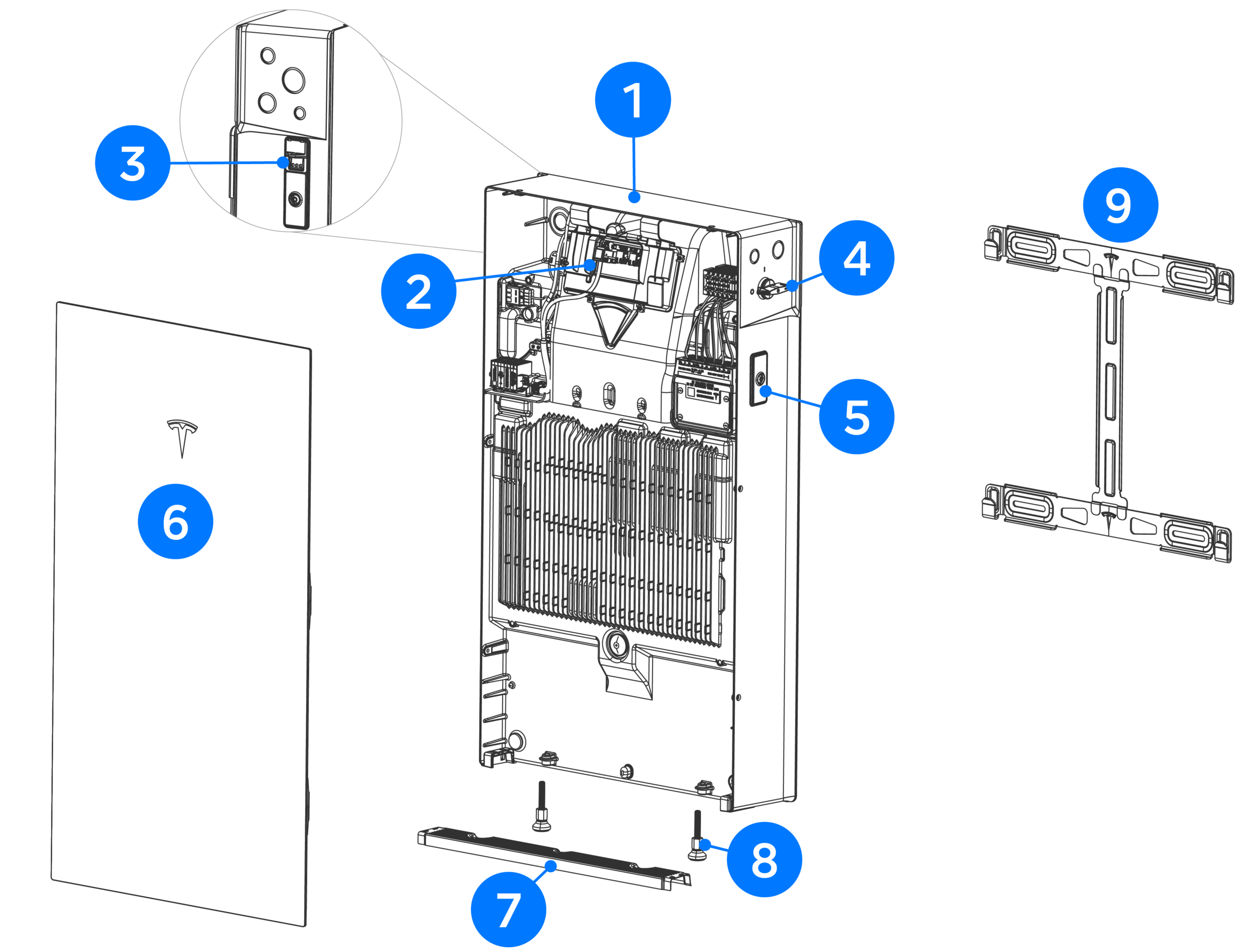
- You are designing new solar and storage together.
- You want strong continuous output from one main battery.
- You value Tesla app/ecosystem integration.
- Your installer can design a clean integrated Powerwall system.
Who should choose FranklinWH aPower 2?
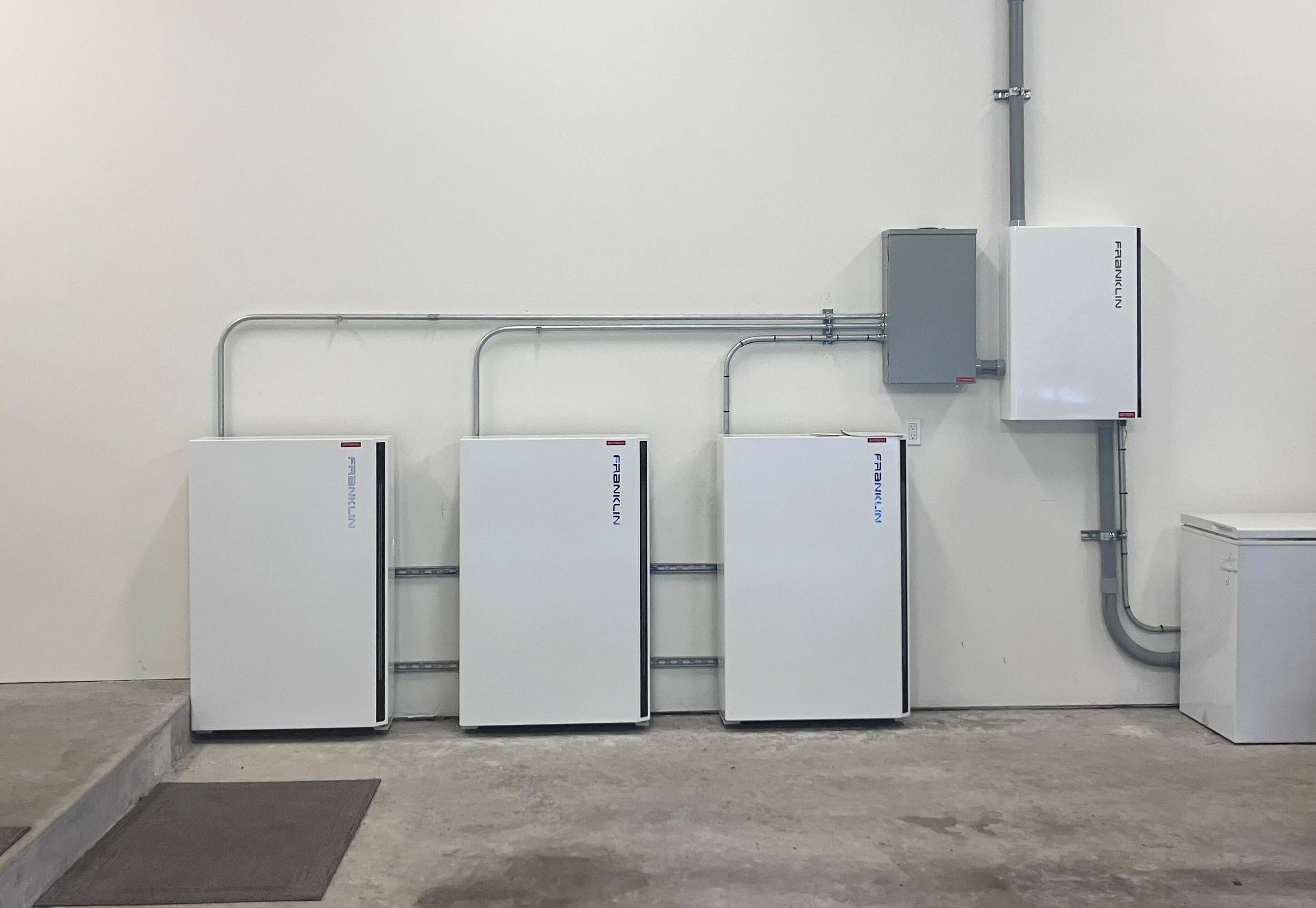
- You already have solar and want an AC-coupled storage option.
- You value 15 kWh usable capacity per battery.
- You want generator integration as part of the backup strategy.
- You value the longer published warranty and strong expansion potential.
Who should skip both?
If you only need a refrigerator, internet and a few small devices during occasional outages, a permanently installed whole-home battery may be more system than you need. Start with our refrigerator battery-backup guide, then compare smaller backup systems and portable power stations before spending for a full home-energy installation.
If you are still deciding on battery size, read How Many Solar Batteries Do I Need? first. You can also use our guide to what a 10 kWh solar battery can run to compare storage against essential household loads.
Frequently asked questions
Does FranklinWH aPower 2 hold more energy than Powerwall 3?
Yes. FranklinWH publishes 15 kWh usable energy for aPower 2, while Tesla lists Powerwall 3 at 13.5 kWh.
Does Powerwall 3 have more continuous power?
In the standard U.S. figures compared here, Tesla lists up to 11.5 kW continuous on-grid output while FranklinWH lists 10 kW continuous for aPower 2.
Which is better for existing solar?
FranklinWH’s AC-coupled architecture makes it an important option for existing solar, but compatibility and total project cost should be checked for your specific inverter and electrical system. Powerwall can also be used in retrofit configurations, so this is not a universal exclusion.
Which battery is cheaper?
There is no reliable universal answer. Compare complete local installed proposals with the same backup scope.
The bottom line
Powerwall 3 is the stronger default for many new solar-plus-storage projects. Its integrated solar inverter and high continuous output make a compelling package.
FranklinWH aPower 2 is especially compelling for flexible backup design, existing solar, generator integration and larger single-unit usable capacity.
Our broader Best Solar Battery Backup System for Home guide compares both systems with Enphase and modular alternatives. Before buying either battery, ask two installers to model your actual outage loads and show expected runtime.