Last updated: September 2026
If you already have solar panels, adding a battery can turn them from a daytime energy source into a more useful backup system. The difficult part is choosing the right battery. Capacity, power output, inverter compatibility and expansion options matter more than simply buying the model with the biggest number on the spec sheet.
This guide compares some of the strongest solar battery backup systems for home use in 2026. Our picks are based on current manufacturer specifications, system design, independent industry comparisons and practical use cases. We have not personally installed or laboratory-tested every battery listed here, so performance claims are attributed to published sources rather than presented as our own testing.
Quick answer: What is the best solar battery backup for a home?
For many homeowners, Tesla Powerwall 3 is the best place to start comparing because one unit combines 13.5 kWh of battery capacity with strong power output and an integrated solar inverter. FranklinWH aPower 2 is particularly attractive when backup capacity, heavy loads and future expansion matter. Enphase IQ Battery 10C makes the most sense for homeowners who want an AC-coupled system that fits naturally into the Enphase ecosystem. Sigenergy SigenStor is worth considering where available if you want a highly modular solar, storage and energy-management platform.
There is no universal winner. A smaller battery that comfortably runs your refrigerator, lights, internet and a few outlets may be a better purchase than a much larger system you rarely use. Start with what you want to keep running during an outage, then choose the battery. If you are unsure about capacity, use our home solar battery sizing guide and review what a 10 kWh solar battery can run.
Best solar battery backup systems at a glance
| Battery | Best for | Usable / nominal energy | Continuous output | Why it stands out |
|---|---|---|---|---|
| Tesla Powerwall 3 | Best overall starting point | 13.5 kWh | Up to 11.5 kW in U.S. configuration | Integrated solar inverter and strong output |
| FranklinWH aPower 2 | Whole-home backup and expansion | 15 kWh usable | 10 kW | Large single-unit capacity and 15-year warranty |
| Enphase IQ Battery 10C | Enphase solar homes | 10 kWh usable | 7.08 kW | AC-coupled, modular design |
| Sigenergy SigenStor | Modular energy ecosystem | 5.2 or 7.8 kWh usable per battery module, depending on model | Depends on module/controller configuration | Highly modular storage and energy management |
Specifications can vary by country, grid rules and system configuration. Always confirm the exact model and local datasheet with your installer before buying.
1. Tesla Powerwall 3 — Best overall for many solar homes
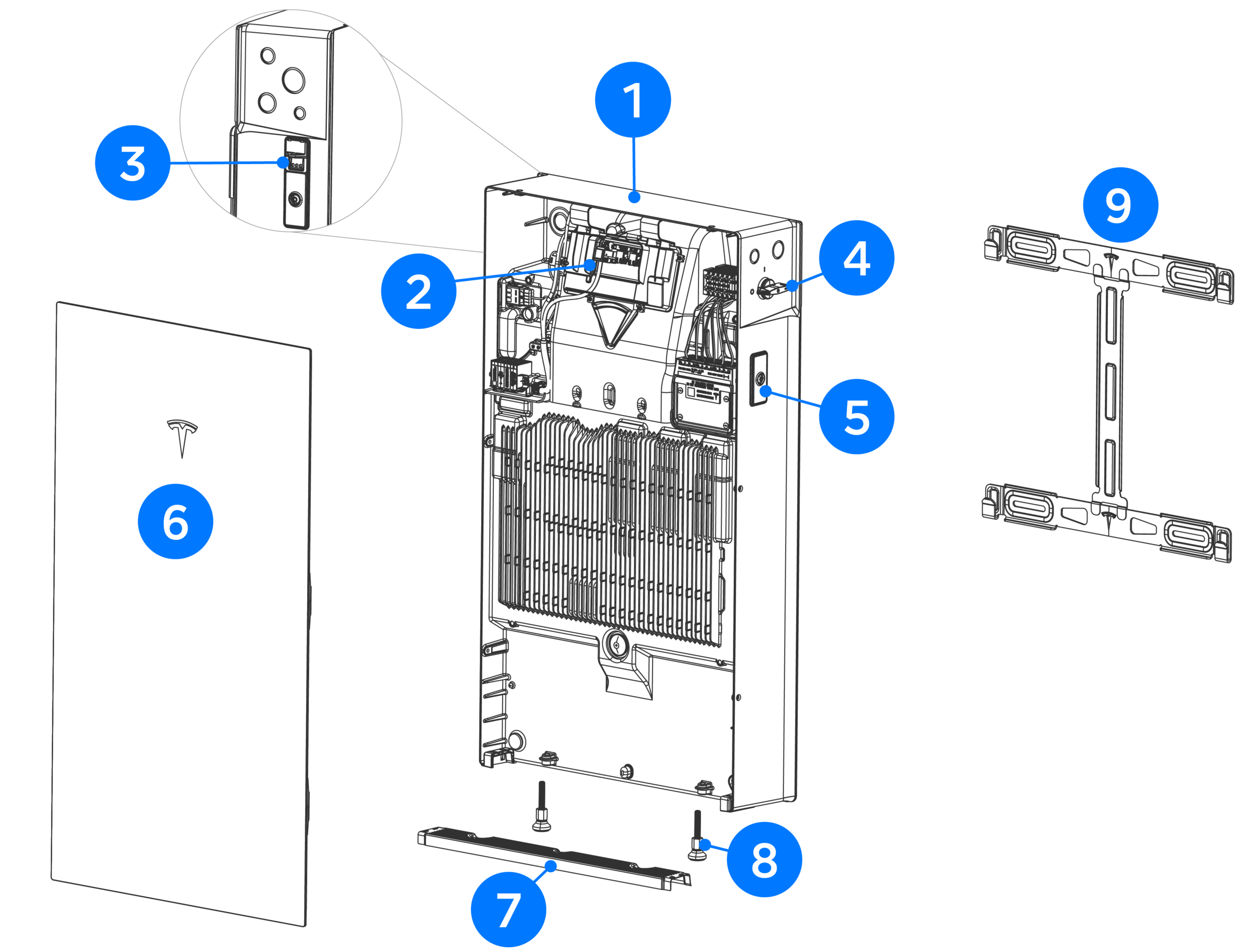
Tesla Powerwall 3 is an easy battery to put at the top of a comparison list because it combines storage, substantial output and a solar inverter in one system. Tesla lists 13.5 kWh of energy capacity and up to 11.5 kW continuous on-grid power for the U.S. version. The integrated inverter can simplify the design of a new solar-plus-storage installation.
That does not automatically make it the right battery for every existing solar system. If you already have an inverter and solar array, your installer needs to determine whether the Powerwall configuration makes sense as a retrofit. Local grid rules can also affect the power setting available to you.
Why we like it
- 13.5 kWh battery capacity in one unit.
- Strong continuous output for a residential battery.
- Integrated solar inverter is useful for new solar installations.
- Expansion options allow additional energy storage later.
- Automatic backup operation when installed as a complete backup system.
What to consider
- Installation cost and availability vary significantly by location.
- Existing solar systems need a compatibility review rather than assuming it is a simple add-on.
- A single 13.5 kWh battery is not automatically enough for a full day of unrestricted whole-home use.
Best for: Homeowners planning a new solar-plus-battery system or anyone who wants a strong all-round system with good power output and straightforward expansion.
2. FranklinWH aPower 2 — Best for larger backup needs
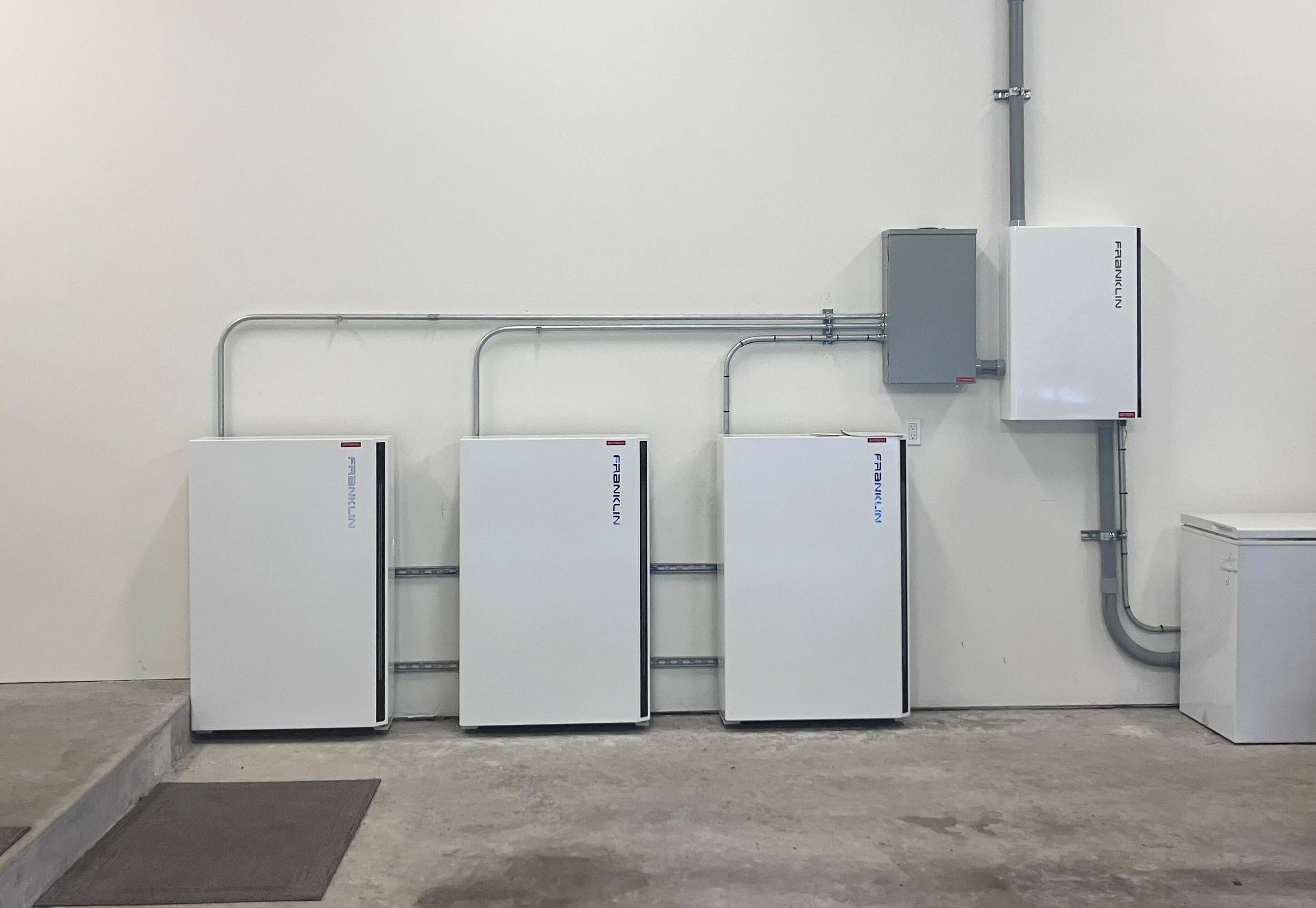
The FranklinWH aPower 2 takes a different approach. Each battery provides 15 kWh of usable energy and 10 kW of continuous output, according to FranklinWH. It is AC-coupled, which can make it attractive for homes that already have solar and want to add storage without replacing the entire solar architecture.
Its biggest advantage is flexibility. FranklinWH says multiple aPower 2 units can be combined under its aGate energy controller, so a homeowner can build a much larger backup system when one battery is not enough. The company also lists a 15-year or 60 MWh throughput warranty for aPower 2.
Why we like it
- 15 kWh usable capacity per battery.
- 10 kW continuous discharge power.
- AC-coupled design works with a wide range of solar setups.
- Strong expansion potential for larger homes.
- Long published warranty period.
What to consider
- The complete system uses FranklinWH’s aGate controller, so compare the total installed system rather than battery price alone.
- A larger battery is useful only if it matches your actual backup loads and outage plan.
- Installer availability and final pricing depend on your market.
Best for: Larger homes, heavier backup loads and homeowners who expect to expand their storage later.
3. Enphase IQ Battery 10C — Best for Enphase solar systems
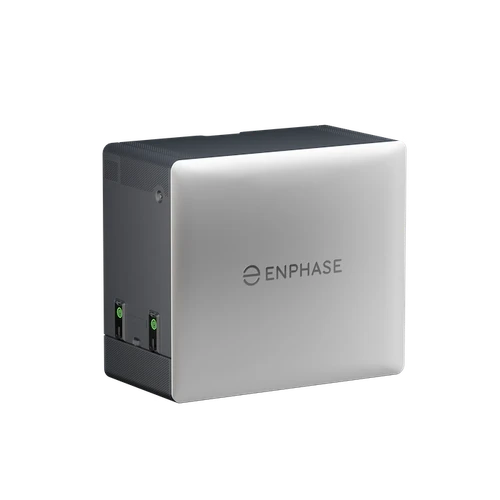
If your roof already uses Enphase microinverters, staying within the same ecosystem can make the storage decision easier. The IQ Battery 10C is an AC-coupled battery with 10 kWh of usable energy and 7.08 kW of continuous output in its North American configuration.
The main reason to choose it is not that it wins every specification. It is the integration. Enphase solar, storage, controls and monitoring are designed to work as one system. That can be more valuable than chasing a slightly larger capacity number from a battery that is less convenient for your existing setup.
Why we like it
- 10 kWh usable energy.
- 7.08 kW continuous output.
- AC-coupled architecture.
- LFP battery chemistry.
- Natural fit for an existing or planned Enphase system.
What to consider
- Homeowners outside the Enphase ecosystem should compare the total system cost against alternatives.
- 10 kWh may be enough for selected essentials but can be limiting for long whole-home outages.
- Backup performance depends on the complete system design, not just the battery cabinet.
Best for: Homes already using Enphase microinverters or homeowners who value one integrated solar-and-storage ecosystem.
4. Sigenergy SigenStor — Best modular solar and storage platform
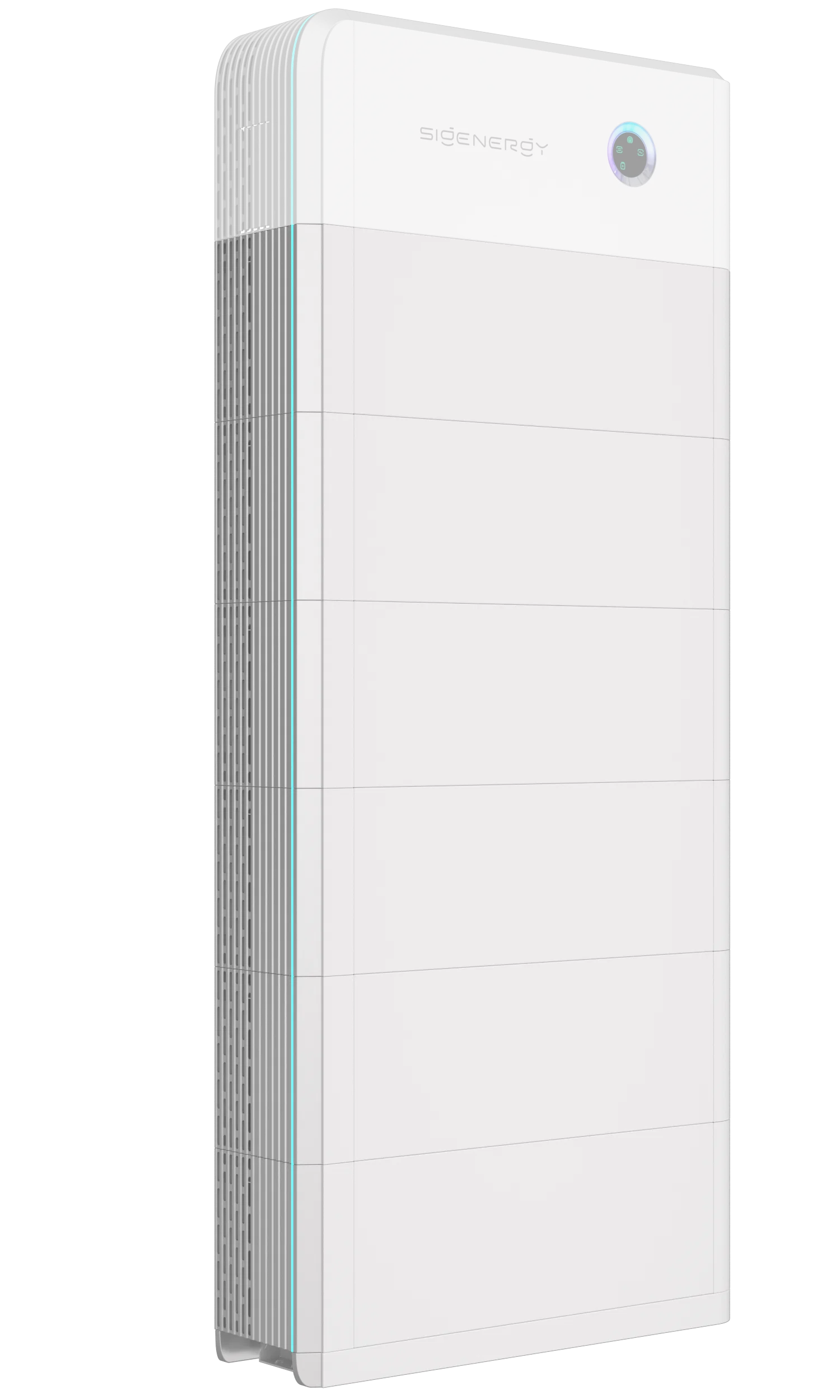
SigenStor is interesting because it is designed as a broader energy platform rather than a single fixed-capacity battery. Sigenergy offers battery modules in different capacities, with its published specifications listing approximately 5.2 kWh usable for the smaller module and 7.8 kWh usable for the larger module. Multiple modules can be stacked depending on the controller and regional configuration.
This modular approach is useful when you want to start with a smaller amount of storage and build around a wider home-energy system. Availability and supported features vary by country, however, so this is one product where checking the local version is especially important.
Why we like it
- Modular battery design.
- LFP battery chemistry.
- Solar, battery and energy management can be combined in one ecosystem.
- Useful range of system sizes.
What to consider
- Availability is more region-dependent than some U.S.-focused competitors.
- Power output depends on the selected controller and battery configuration.
- Compare local installer support and warranty terms before committing to the ecosystem.
Best for: Buyers who want modular storage and have strong Sigenergy installer support in their market.
Which solar battery should you choose?
We do not rank a home battery by capacity alone. For this guide, we looked at current manufacturer specifications and compared the factors that make the biggest difference in a real home:
- Usable capacity: how much stored energy is actually available to the home.
- Continuous power: how much electrical load the battery can support at one time.
- Surge and motor-start capability: important for equipment such as pumps and air conditioners.
- Solar compatibility: whether the battery fits new solar, existing solar or both.
- Expansion: how easily capacity can grow if your needs change.
- Warranty: both the warranty period and any throughput or capacity-retention conditions.
- System design: inverter, controller, transfer equipment, monitoring and installation requirements.
We also compare our conclusions with independent solar and energy-storage research. The goal is not to declare one battery perfect for everyone, but to explain which type of homeowner each system suits.
How battery capacity and power affect backup
This is the question to answer before comparing brands. Battery capacity is measured in kilowatt-hours (kWh). Think of kWh as the amount of energy available. Power, measured in kilowatts (kW), tells you how much equipment the battery can run at the same time.
A 13.5 kWh battery does not mean it can run every appliance in your home for 13.5 hours. Runtime depends on your load. A home drawing 1 kW would theoretically use 1 kWh each hour, while a 5 kW load consumes energy five times faster. Real systems also have reserve settings, conversion losses and changing loads.
Start with critical loads
Instead of asking, “How big is my house?”, list what you need during a blackout. A practical essentials list might include a refrigerator, Wi-Fi router, selected lights, phone and laptop charging, a few outlets and any necessary medical or safety equipment. A household that also wants central air conditioning, electric cooking, a well pump or EV charging will need much more power and energy.
Your electricity bill gives you a useful starting point for normal energy consumption, but outage usage can be very different. Ask your installer to model both kWh of storage and kW of simultaneous load. You need enough of both.
Essential-load backup vs whole-home backup
Essential-load backup keeps selected circuits running. It usually requires less battery capacity and encourages you to conserve stored energy during a long outage.
Whole-home backup can make an outage feel much more normal, but the phrase can be misleading. A battery may be connected to the whole home without being able to run every high-power appliance simultaneously for an unlimited period. Air conditioning, electric water heating, ovens, dryers, pumps and EV chargers can quickly change the calculation.
When an installer says a system offers whole-home backup, ask two follow-up questions: Which loads can run at the same time? and how long will the battery last at my normal outage load?
AC-coupled vs DC-coupled batteries
You will see these terms frequently when comparing solar batteries. In simple terms, an AC-coupled battery has its own power-conversion stage and can often be easier to add to an existing solar installation. A DC-coupled design can reduce conversion steps in a new solar-plus-storage system, but compatibility with the solar inverter and system architecture becomes important.
Neither design is automatically better. If you already have solar, the best choice is often the battery that integrates cleanly with the equipment on your roof and has good local installer support.
Can a solar battery power your home during a blackout?
Yes, but only when the system is designed for backup operation. Solar panels alone normally do not mean your home will stay powered when the grid fails. A properly designed solar-plus-battery system needs the required isolation, controls and transfer equipment so it can safely operate while the utility grid is down.
Solar can also recharge the battery during a daytime outage if the system supports that operating mode and there is enough sunlight. This is why a well-designed solar-plus-storage system can provide more useful outage resilience than looking at battery capacity alone.
Solar battery backup vs portable power station
These products are often mixed together in search results, but they solve different problems. A permanently installed home battery is integrated into your electrical system and can switch selected circuits or the home to backup power automatically. A portable power station is usually easier to buy and move, but powering household circuits safely may require additional approved equipment.
If you only need to keep a refrigerator, router, phones and a few small devices running, a portable solar generator may be much cheaper than a permanent home battery. Our solar battery backup guide for refrigerators explains how to size that smaller setup. If you want automatic backup, solar integration and support for large household loads, a professionally installed battery system is the more appropriate category.
What to check before buying a home solar battery
- Define the outage goal. Decide whether you want essentials, partial-home or whole-home backup.
- Check your actual energy use. Use recent electricity bills and, where possible, circuit-level or smart-meter data.
- Check continuous and surge power. Capacity alone does not tell you whether the battery can start your air conditioner or pump.
- Confirm solar and inverter compatibility. This is especially important when adding storage to an existing system.
- Compare the full installed price. Battery hardware is only part of the cost. Controllers, gateways, electrical work, permits and installation can materially change the quote.
- Read the warranty conditions. Look beyond the number of years and check throughput limits, retained capacity and operating requirements.
- Check local service support. A technically excellent battery is less attractive if qualified installers and warranty support are difficult to access in your area.
Frequently asked questions
What size battery is best for home solar backup?
There is no single ideal size. Start with the appliances and circuits you want to run, estimate their energy use over the outage period you care about, and then check whether the battery inverter can support their simultaneous power demand. Many current residential batteries provide roughly 10–15 kWh per main unit, but some homes need less and others need multiple units.
Is a 10 kWh battery enough to run a house?
It can be enough for selected essential loads, but it may not support unrestricted whole-home use for a long outage. Runtime depends on how much electricity you consume while the grid is down and whether solar can recharge the battery during the day.
Can I add a battery to an existing solar system?
Often, yes. AC-coupled storage is commonly considered for solar retrofits, but the best approach depends on your existing inverter, electrical panel, local grid requirements and the battery you choose. Have a qualified installer check compatibility before ordering equipment.
Can I use a home battery without solar panels?
Some home batteries can charge from the grid and provide backup without solar. You lose the ability to recharge from rooftop solar during an extended outage, but standalone battery backup can still be useful for outage protection or time-of-use electricity management where supported.
Which is better: Tesla Powerwall 3 or FranklinWH aPower 2?
Powerwall 3 is especially attractive for a new solar-plus-storage installation because of its integrated solar inverter and strong output. FranklinWH aPower 2 offers more usable energy in a single battery and strong expansion options through the FranklinWH ecosystem. The better choice depends on your existing solar equipment, backup loads, installer quote and plans for future expansion.
The bottom line
The best solar battery backup system is not necessarily the battery with the highest capacity. It is the system that can support the loads you care about, for the outage duration you are planning for, while working properly with your solar equipment and electrical system.
Tesla Powerwall 3 is our best overall starting point for many homes. FranklinWH aPower 2 is a strong choice for larger backup requirements and expansion. Enphase IQ Battery 10C makes sense for Enphase-based solar homes, while Sigenergy SigenStor deserves attention where its modular ecosystem and local installer support are available.
Before choosing any of them, get at least two complete system quotes and ask each installer to show the expected backup runtime for your actual critical loads. That comparison will tell you more than a battery’s headline capacity alone.
Research note: Product specifications in this guide were checked against current manufacturer information available in September 2026. Battery specifications, regional configurations, pricing and availability can change. We will revisit this guide as major products and specifications change.